
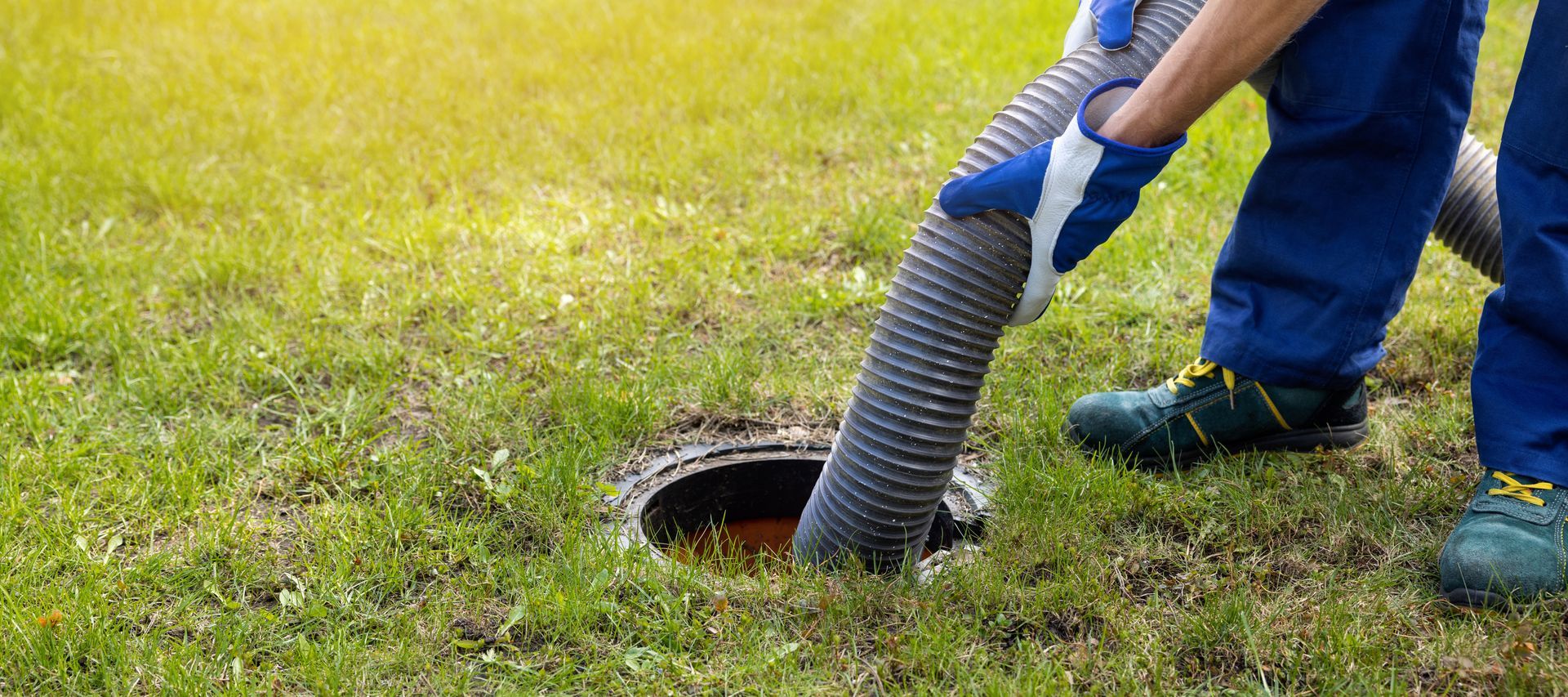
What to Expect From Our Emergency Septic Pumping Process
1. Call us at (336) 699-3868 and describe what you are seeing -- backups, slow drains, odors, or wet spots in your yard.
2. We schedule your visit and dispatch a licensed technician to your Winston-Salem, NC, location.
3. Our team locates and exposes your septic tank access point.
4. We pump the tank thoroughly and inspect visible components for any obvious concerns.
5. We leave your property clean and walk you through any follow-up steps needed.
This process may vary depending on site conditions, tank depth, or access, but our goal is same-day resolution when you call early in the day.
The Benefits of Choosing Local, Licensed Septic Pumping Services
New Life II Septic & Rent-A-Jon delivers fast septic pumping in Winston-Salem, NC, backed by decades of community trust. As a family-owned and operated business, we understand that septic problems are stressful and unexpected. We pride ourselves on dependability and clear communication from the first call to the final pump-out.
You can find us on
Google to read reviews from neighbors throughout Forsyth, Davidson, and Stokes counties. We keep our pricing fair, our service fast, and our standards high on every job.
Frequently Asked Questions About Emergency Septic Pumping in Winston-Salem NC
What Counts as a Septic Emergency, and When Should I Call for Help?
A septic emergency is any situation where your system poses an immediate health risk or has stopped functioning safely. You should call for emergency septic pumping in Winston-Salem, NC, as soon as sewage backs up into your home, raw waste appears in your yard, or multiple drains fail at once. Waiting even a few hours can allow contaminated water to damage flooring, walls, and your drain field. A licensed technician can assess whether the problem requires pumping, a repair, or a more detailed inspection.
How Quickly Can a Technician Arrive for Emergency Septic Service in Winston-Salem?
Response times may vary depending on location and current demand, but New Life 2 Septic & RentAJon operates 24 hours a day, seven days a week in Winston-Salem, NC. Emergency calls are typically prioritized so a crew can arrive as soon as possible. Having your property address, a description of the symptoms, and the approximate location of your tank ready when you call at (336) 699-3868 can help speed up dispatch.
Will Emergency Septic Pumping Fully Fix My System?
Emergency pumping addresses the immediate overflow or backup, but it may not resolve every underlying issue. Pumping removes the accumulated waste to restore function quickly, which is the first step in any septic pumping services Winston-Salem NC residents rely on. After the emergency is resolved, a follow-up septic inspection may be recommended to identify whether the drain field, baffle, or other components need attention.
Is Emergency Septic Service Available for Both Residential and Commercial Properties?
Yes. New Life 2 Septic & RentAJon provides emergency septic pumping Winston-Salem NC homeowners and commercial property owners can count on, for both residential and commercial needs. Commercial systems often hold larger volumes and may require additional equipment or crew, so providing details about your property type when you call can help the team prepare appropriately.
How Can I Reduce the Risk of a Future Septic Emergency?
Scheduling routine septic pumping services in Winston-Salem, NC, every three to five years is one of the most effective ways to prevent unexpected failures. For households that want to avoid the stress and cost of emergency septic pumping Winston-Salem NC crews are called out for, consistent maintenance is the single best investment you can make. Additional steps that may lower your risk include:
▸ Avoiding flushing wipes, paper towels, or non-biodegradable materials.
▸ Keeping heavy vehicles and equipment off the drain field area.
▸ Limiting the use of harsh chemical drain cleaners that can disrupt tank bacteria.
▸ Having a septic inspection done before purchasing an older property.
▸ Monitoring water usage to avoid overloading the system during heavy-use periods.





